How Figurative Art Tells Emotional Stories
Figurative art has a rare ability to speak directly to the human heart. Unlike purely abstract forms, figurative art places the human figure, gesture, and expression at the center of the visual narrative. Through carefully composed bodies, faces, and scenes, artists transform emotions, memories, and inner experiences into powerful visual stories that viewers can instantly connect with.
At its core, figurative art is not just about what we see—it’s about what we feel, what we imagine.
The Emotional Power of Figurative Paintings
Figurative paintings capture moments of vulnerability, strength, solitude, and connection. A tilted head, a distant gaze, or the tension in a hand can reveal emotions that words often fail to express. These subtle details enable viewers to project their own experiences onto the artwork, fostering a deeply personal emotional connection.
This is why figurative art has remained relevant for centuries—it mirrors the complexity of human life itself.
Contemporary Figurative Art: Modern Stories, Timeless Feelings
Contemporary figurative art blends traditional techniques with modern themes, textures, and symbolism. Today’s artists explore identity, psychology, memory, and the human condition through layered compositions and expressive brushwork. The result is art that feels both current and timeless.

Within contemporary fine arts, figurative works stand out for their emotional honesty. They don’t simply decorate a space; they invite reflection, conversation, and connection.
Portrait Painting as Emotional Storytelling
Few art forms are as intimate as portrait painting. A portrait is more than a likeness—it is a visual biography. Through color, light, and expression, portrait painting artists reveal personality, mood, and inner life.
A successful portrait art painting captures the invisible: confidence, melancholy, resilience, or introspection. This emotional depth is what elevates portraiture from representation to storytelling.
The Role of Figurative Art Artists
Experienced Figurative Art Artists act as visual storytellers. Their work bridges observation and emotion, transforming lived experiences into compelling imagery. By focusing on the human figure, they create art that resonates with people across cultures and generations.
Artists working in figurative traditions often invite viewers to pause—to look inward as much as outward. This shared emotional space is what makes figurative art so powerful and enduring.
Why Nowadays Figurative Art Continues to Resonate
In an increasingly digital and fast-paced world, figurative art offers something grounding and human. Whether through expressive figurative paintings or emotionally charged portrait painting, it reminds us of shared experiences—love, loss, hope, and introspection.
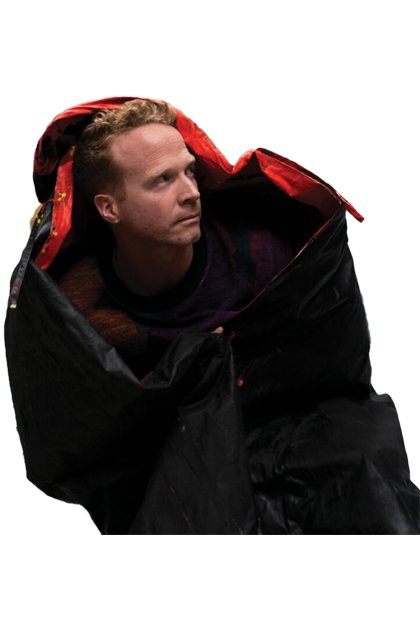
At Atelier Artistic NAF, meet “Nicholas A. Ferguson“, for the best contemporary figurative painting becomes a medium for emotional reflection, where human presence and inner narratives remain at the heart of artistic expression.
Final Thoughts
Figurative art tells emotional stories because it speaks the universal language of the human experience. Through the body, the face, and the unspoken moment, they create a lasting emotional connection between artist and viewer. Whether you’re drawn to modern portrait painting or contemporary figurative art, these works invite you to feel, reflect, and see yourself within the story.